
PRODUCT 01
Product name
What it is, who it's for and the problem it solves. How you designed, prototyped and tested it, and what you'd change next time.

Solid rocket motors, flight computers, thrust vector control and aircraft. Every project here failed at least once before it worked. This is the record of both.
Built, broken, rebuilt
I'm Dhyey. I design, build and fly rockets, and I learn mostly by getting things wrong first.
It started in a field in Surat, watching a model rocket leave the ground and disappear in seconds. Years later I watched Falcon 9 land for the first time and wanted to understand every part of how a system that big could fly and come back down. Since then I have built solid rocket motors, flight computers, aircraft and a CubeSat prototype, first in India and now in the UK.
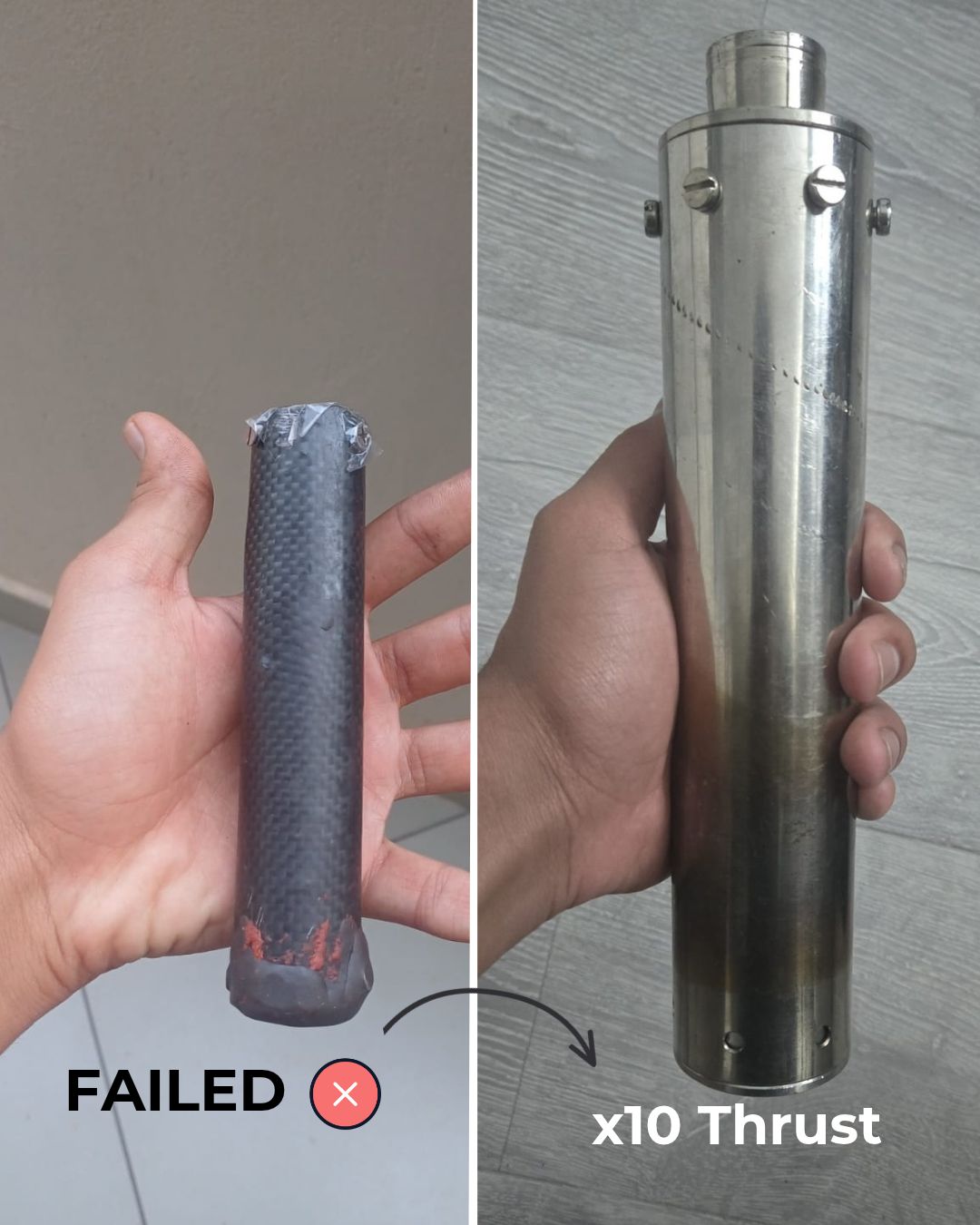
Almost everything I have built failed before it worked. My first rocket never left the pad when its motor failed, which led to three failed static fires, a redesign from first principles, and finally a CNC-machined KNSB motor producing over 200 N. My first RC plane never flew at 13. I rebuilt it at 16 using the lift equation and thrust-to-weight sizing from HL Physics and Maths, and it flew. The difference was not effort, it was understanding.
Right now I am building a finless rocket stabilised by thrust vector control, tuning its PID controller in a Simulink model before flight, and contributing to a research project comparing five propellant formulations through static-fire testing.
What I enjoy most is the full loop: turning maths and physics into hardware, testing it for real, and using the data to make the next version better. Long term, I want to build my own company in rocketry and space technology.
Three rockets, each one built on what the last one taught me.
Built in India around a KNO₃ and sugar motor. On launch day the motor failed and it never left the ground.
That failure is why I went back to first principles instead of guessing.
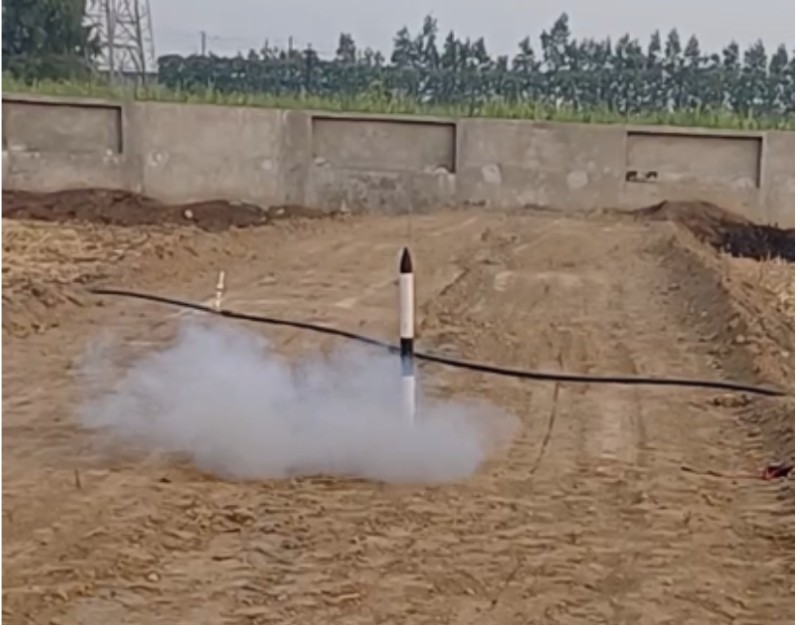
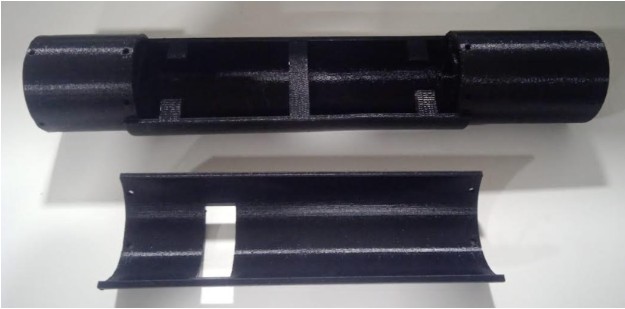
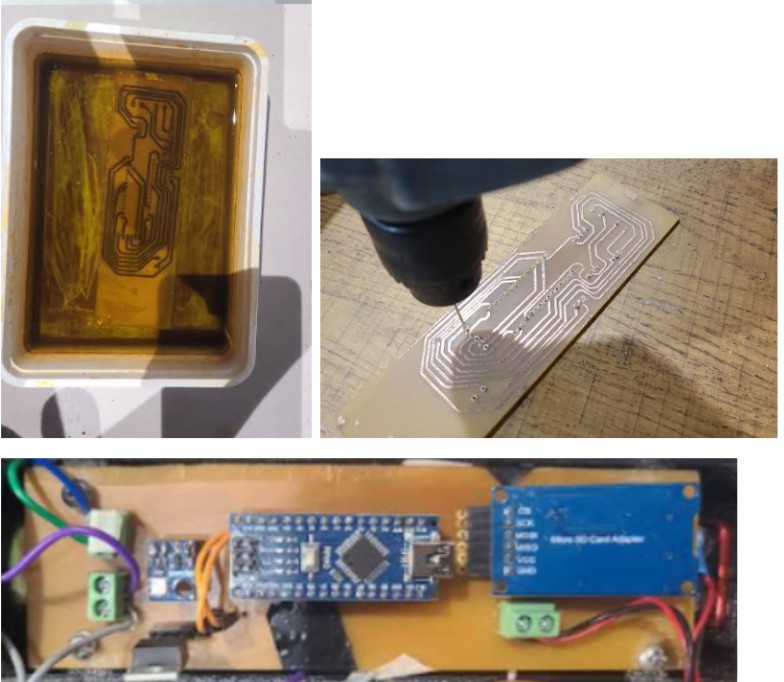
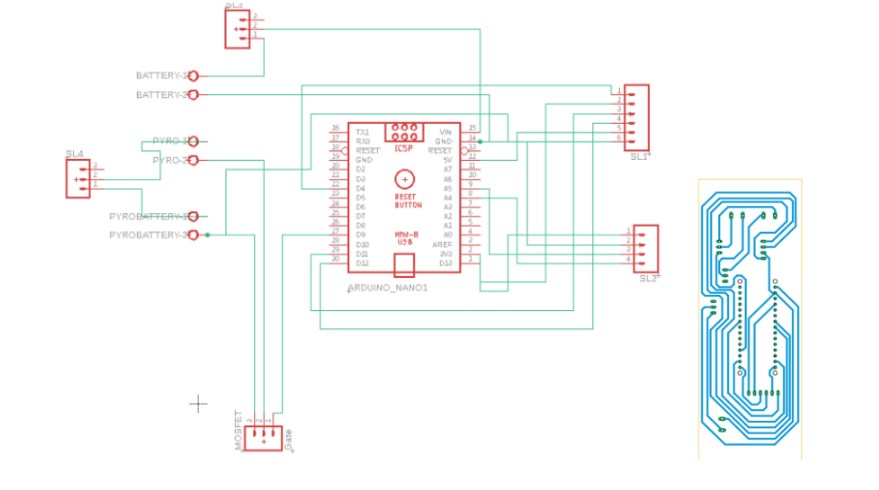
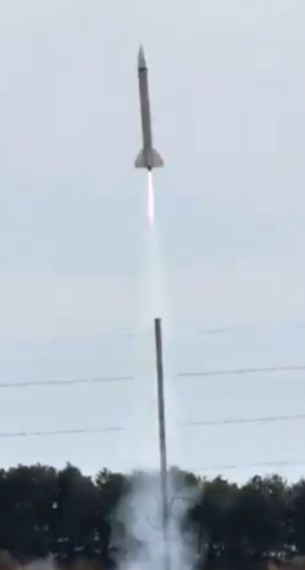
An 800 g rocket carrying a flight computer I designed from scratch: a 2-layer KiCad PCB with an IMU, barometric altimeter and live telemetry. It reached 520 m and logged the whole flight, giving me real data to check my trajectory model against.
800 g · 520 m · custom avionics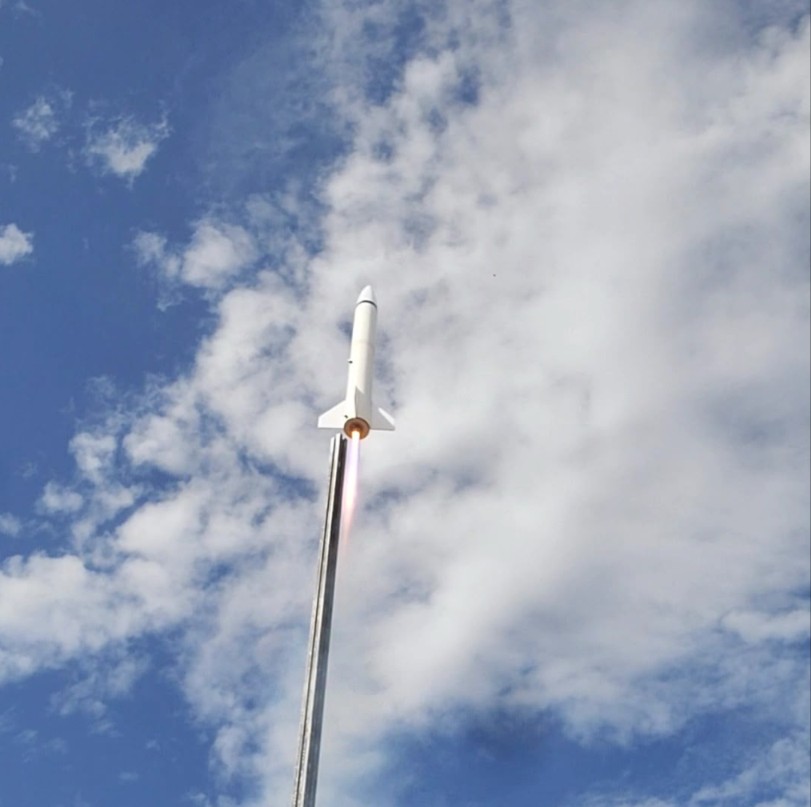
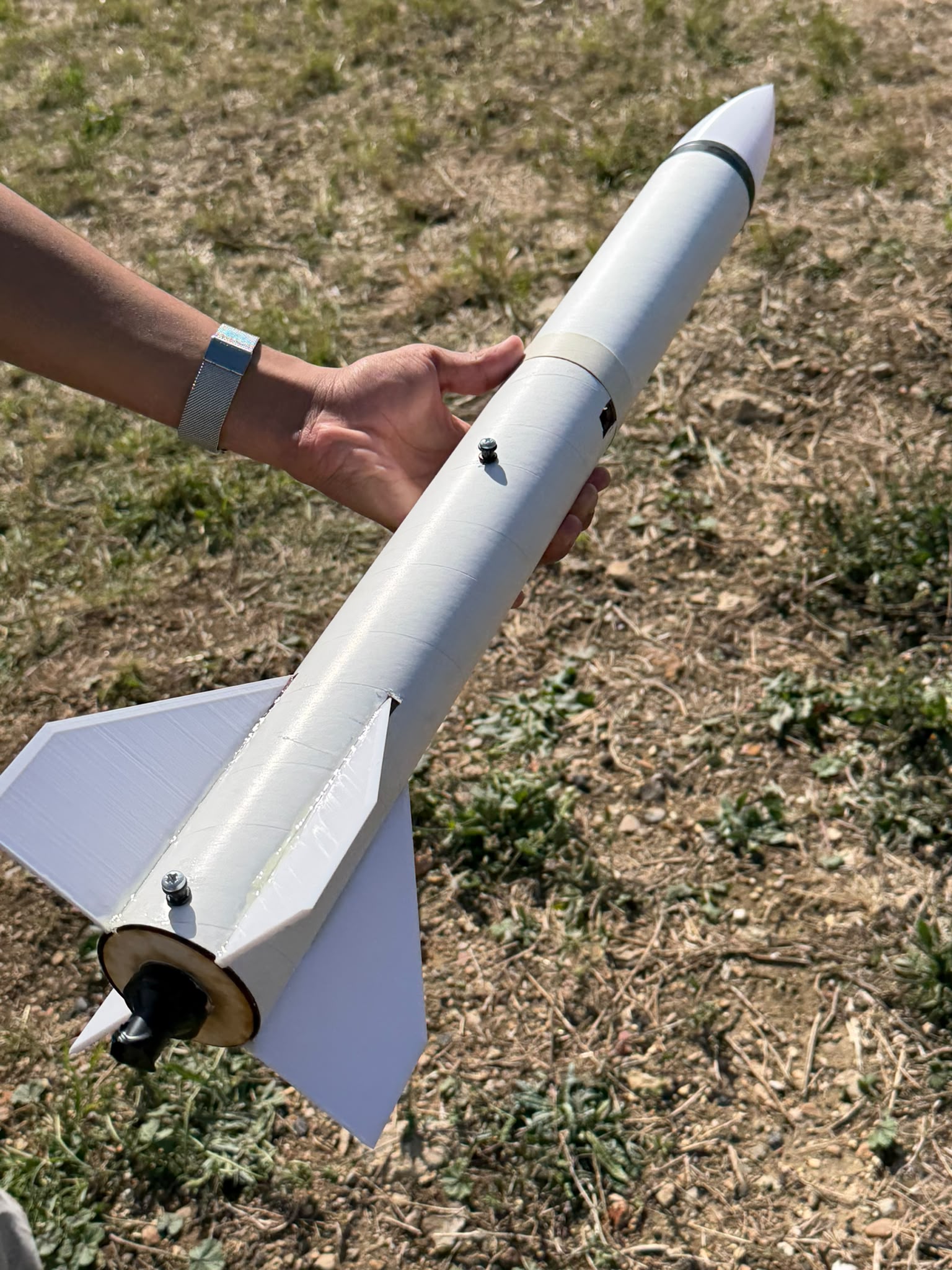
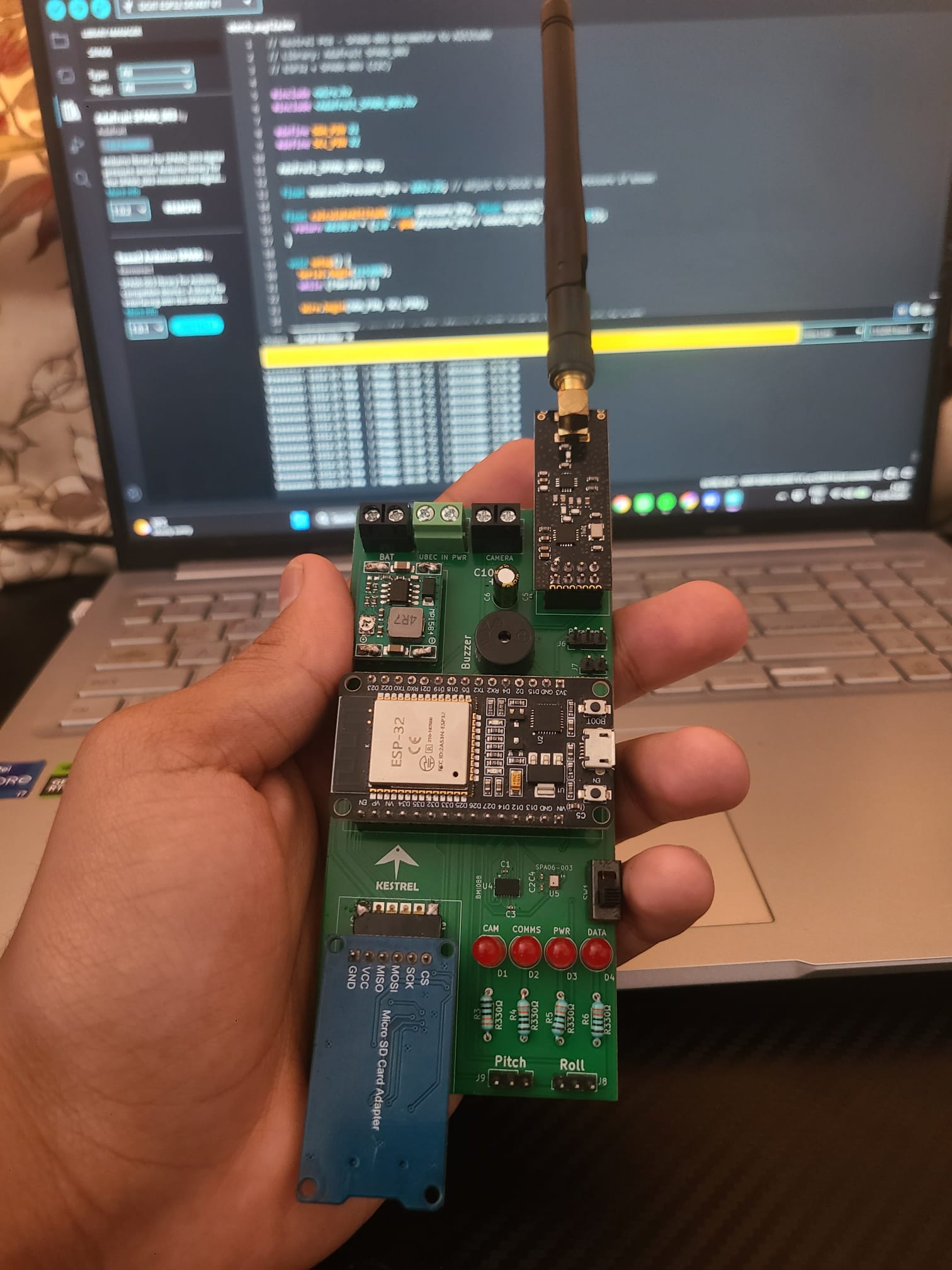
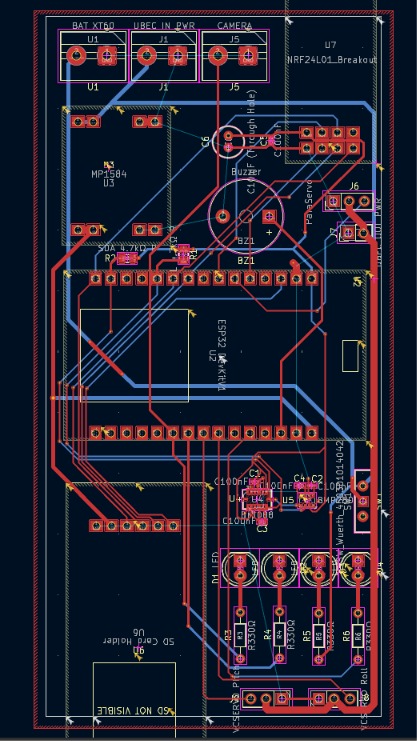
No fins. It stays upright by steering its own thrust through a gimballed motor, the same idea that lets Falcon 9 land. I used rotational dynamics to model how gimbal angle affects attitude, then built a Simulink model of the rocket and controller to tune the PID loop before flight.
Gimballed motor · PID · Simulink

Three static fires, a redesign from first principles, then the final motor. Each checkpoint is one step and what I changed going into it.
KNO₃ and sugar propellant. The baseline: getting a motor to burn at all.
KNO₃ / sugar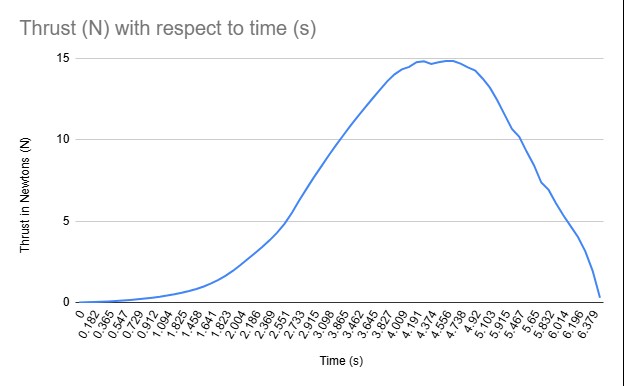
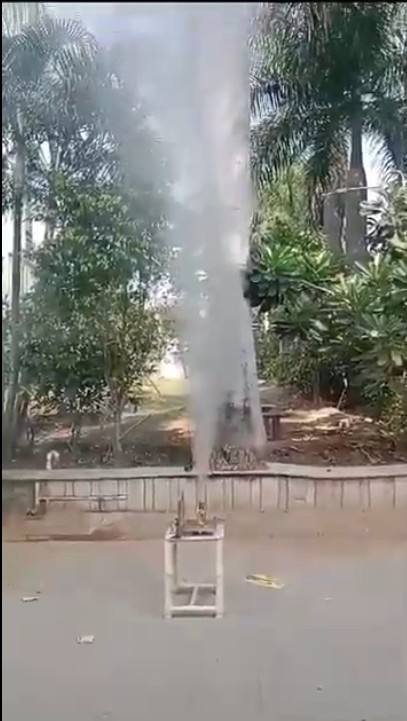
Describe what you changed after motor 1 and what happened.
Change: ___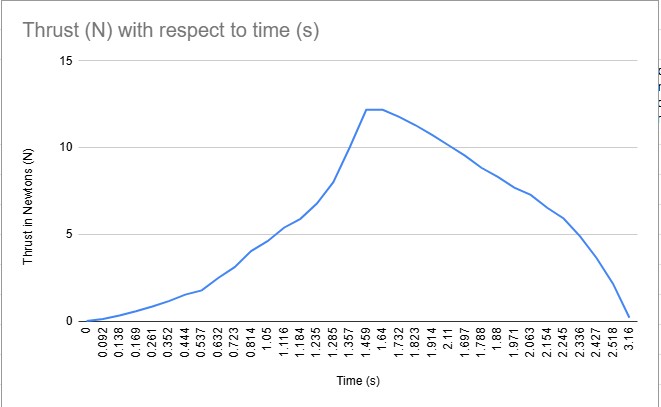

Describe what you changed after motor 2 and what happened.
Change: ___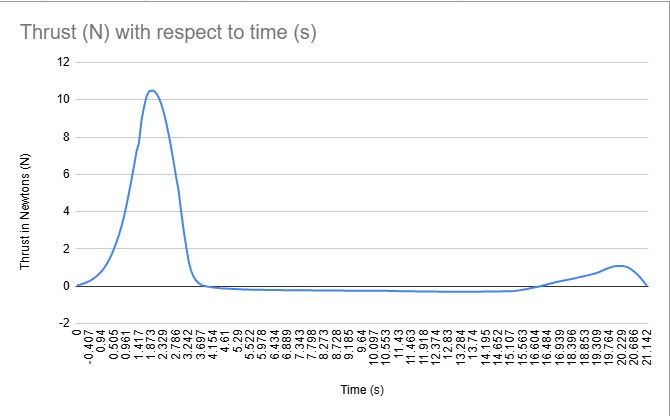
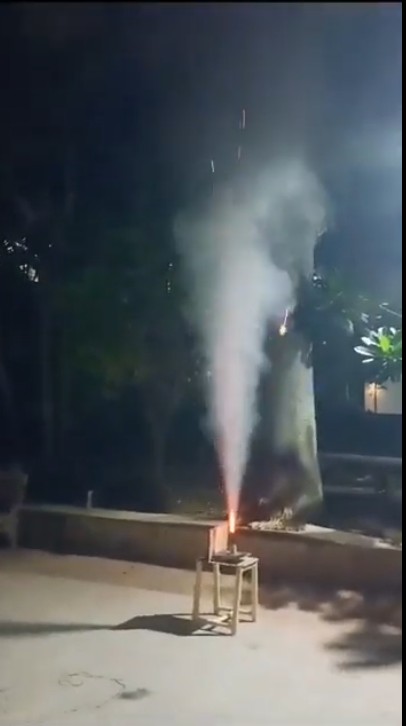
Following Richard Nakka's methods, I redesigned the nozzle properly in Onshape instead of iterating by guesswork.
Nozzle redesigned in Onshape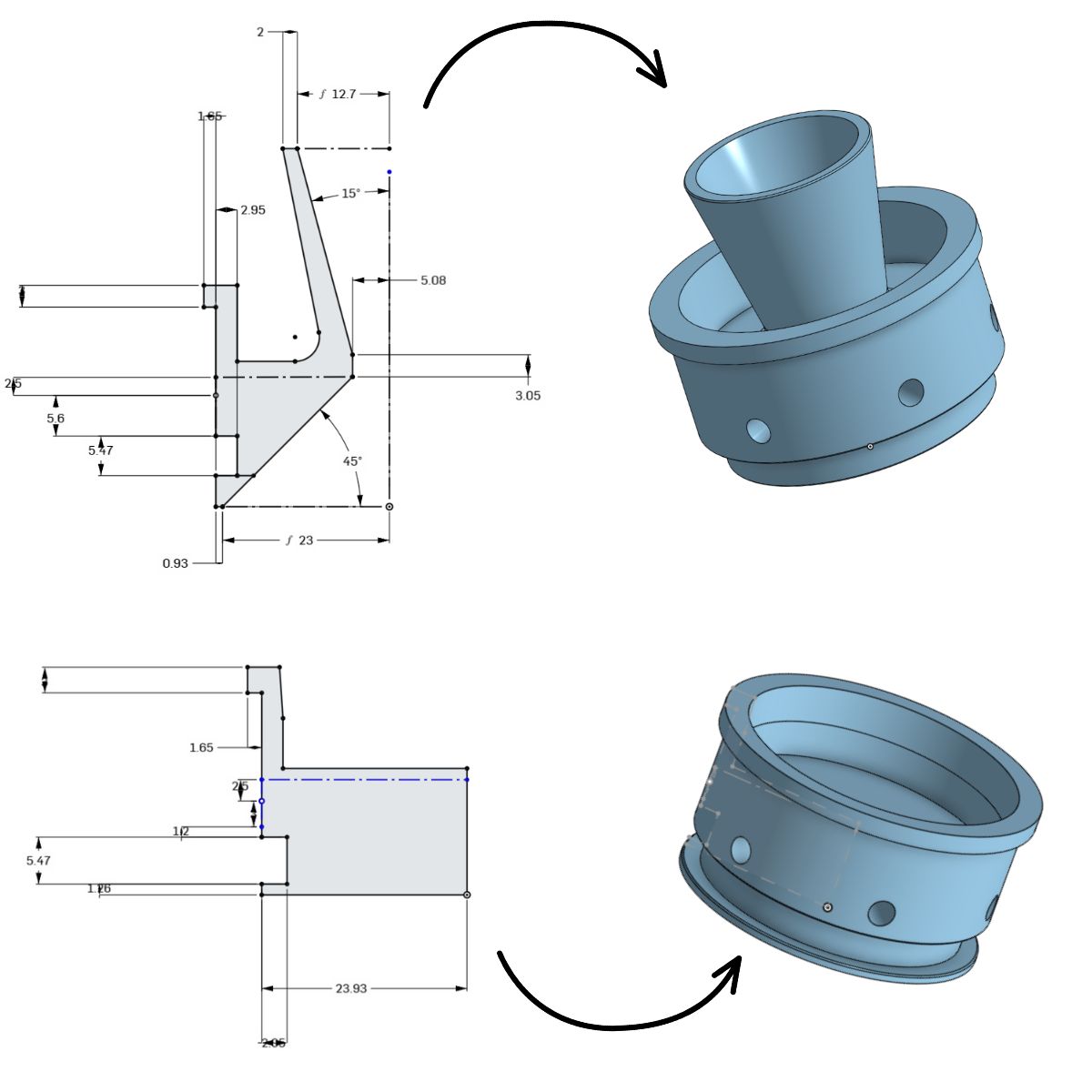
Reformulated to KNSB with a finocyl grain and a CNC-machined nozzle. Over 200 N of thrust. The biggest lesson: small decisions, from material choice to sealing, swing performance massively.
KNSB · finocyl grain · CNC nozzle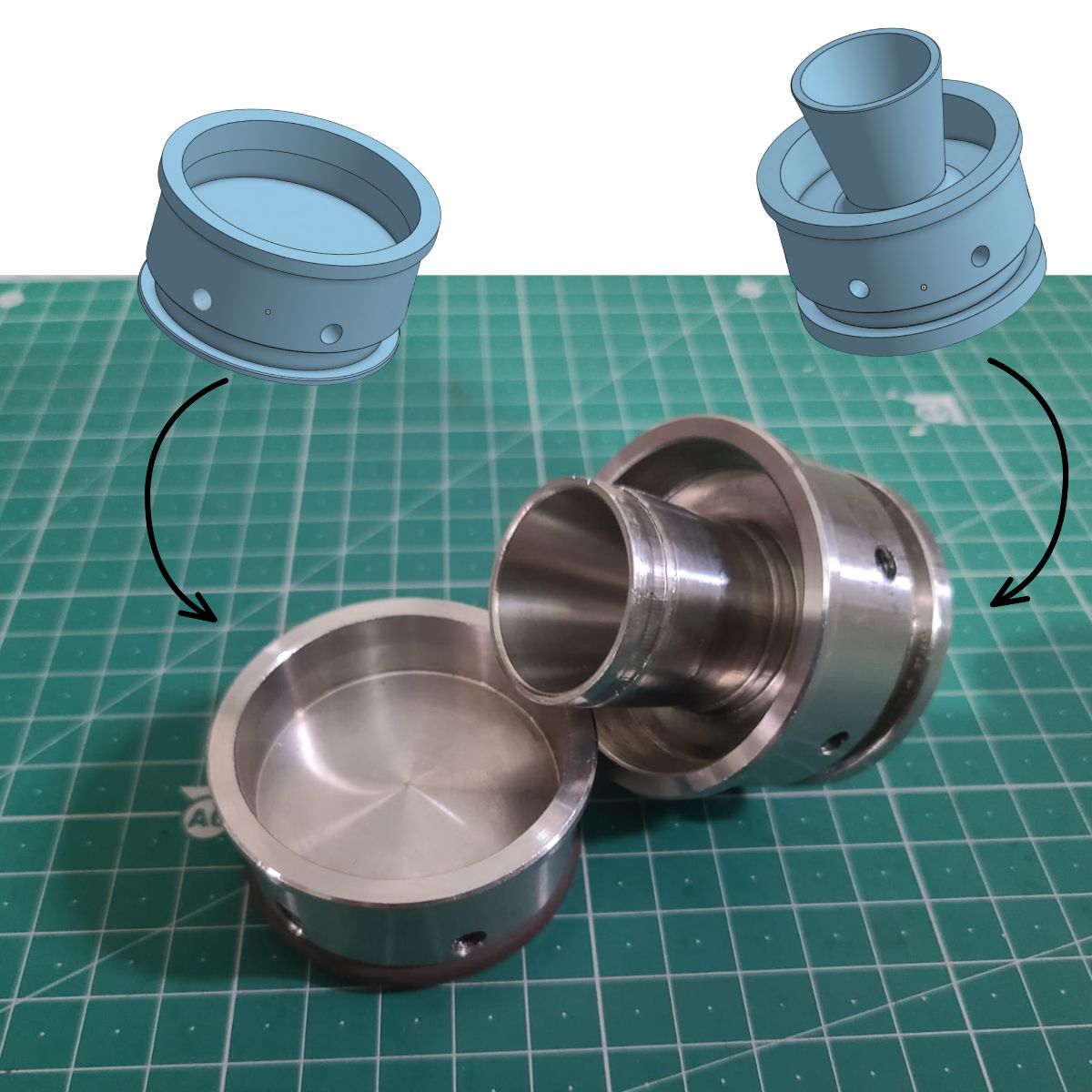
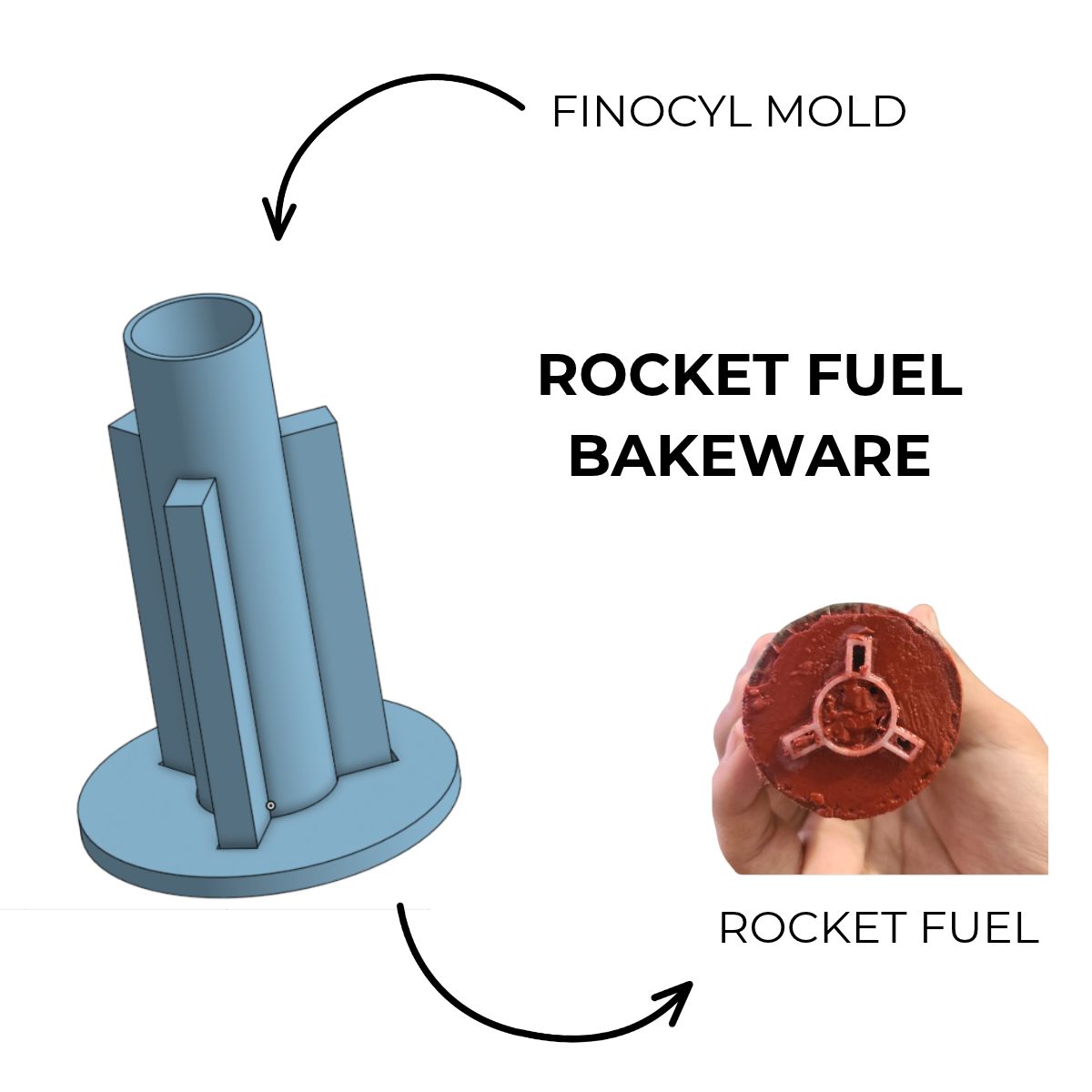
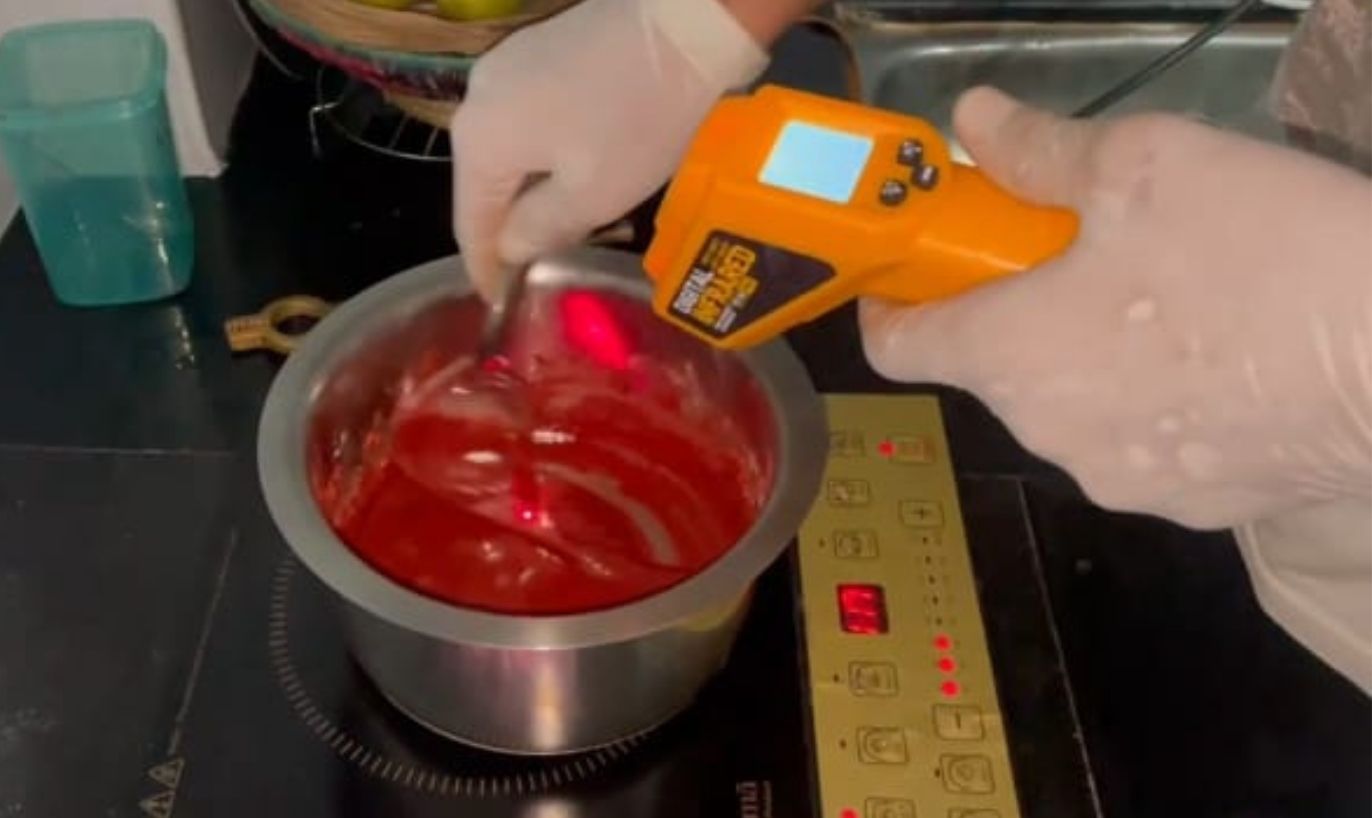

Now contributing to a research project with a US university student, comparing five propellant formulations through static-fire testing.
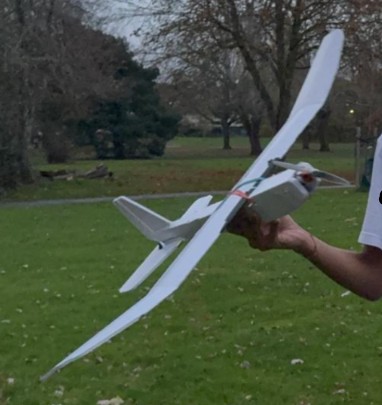
The same plane, built twice, three years apart.
Built from scratch with no real way of sizing anything. It never got off the ground.

Using HL Physics and Maths, I used the lift equation to size the wing for my target weight, and chose the motor for the thrust-to-weight ratio it needed.
Wing sized with lift equation · motor sized for T:WThe difference between the two attempts was not effort. It was understanding.


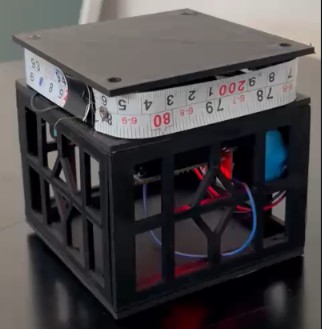
A team build under strict mass and size limits, where every component was a trade-off.
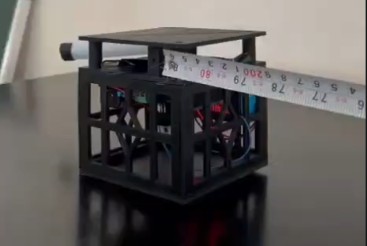
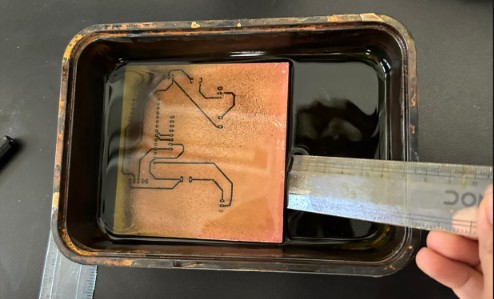
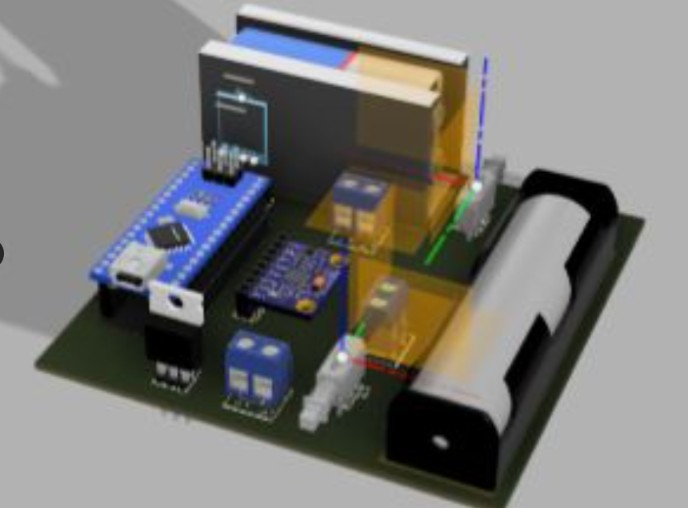
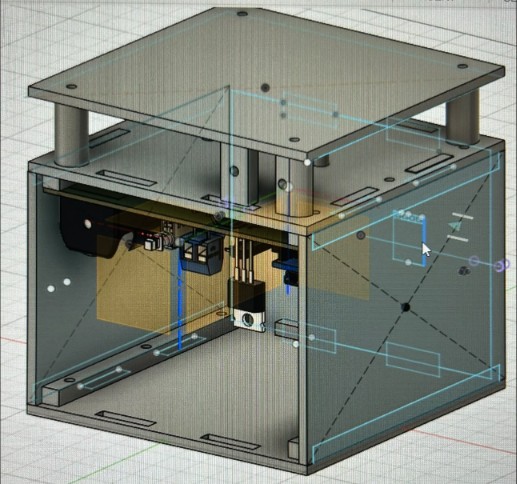
At STAR Lab, our team built a 1U CubeSat prototype. I designed the PCB in Eagle and etched it in-house, wrote the code to send orientation data down to a ground station, and built the antenna deployment mechanism.
Every component choice was a trade-off between weight and space.
Computer vision for satellite imagery, through a Harvard entrepreneurship programme.
I interned at Vanguard Defense, a computer-vision startup. Our team of eight built a tool to detect and label vehicles in satellite images, used to train their model.
I researched suitable datasets, built the annotation tool and presented the final product to the founder. It was my first time pitching software as part of a team.

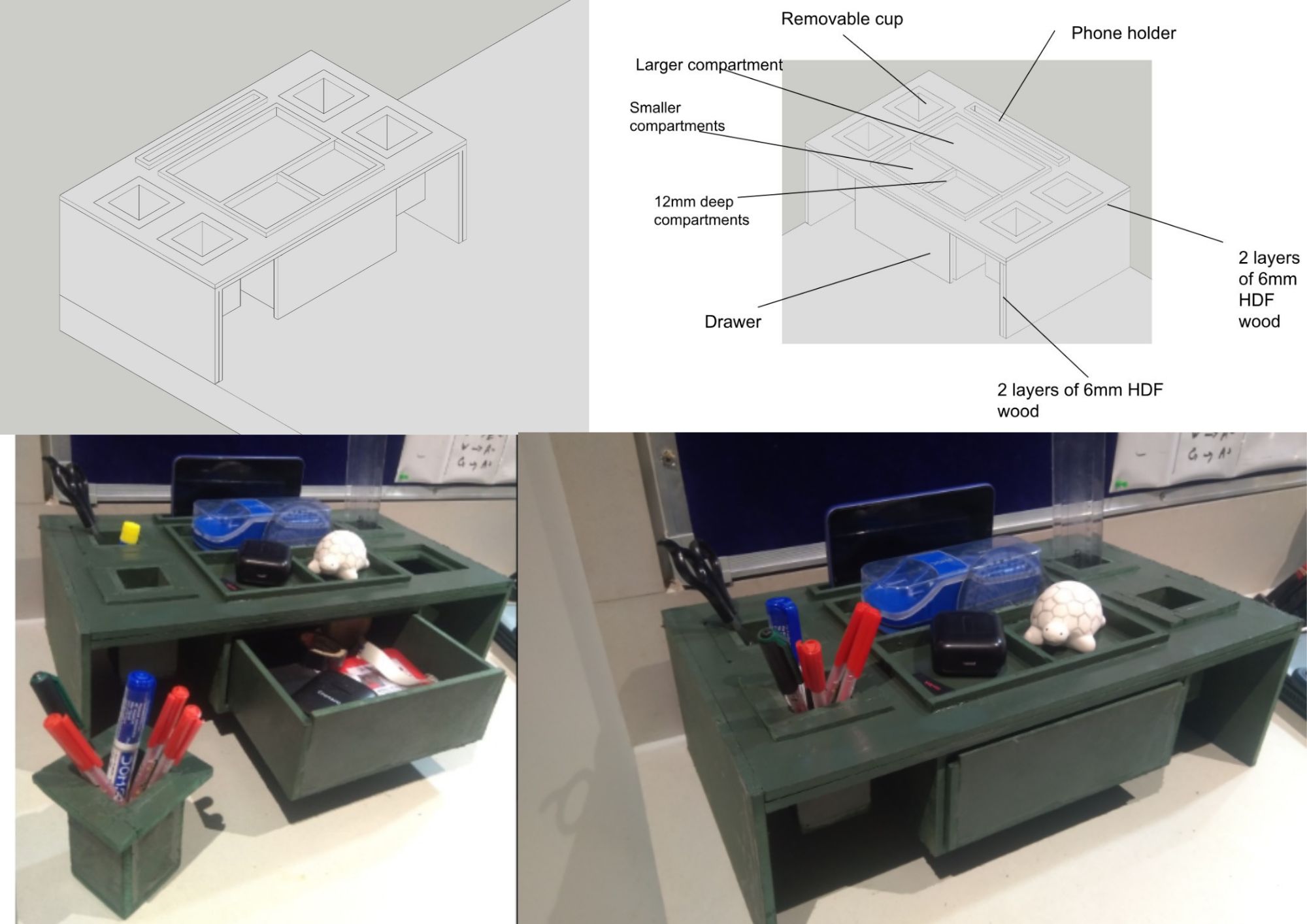
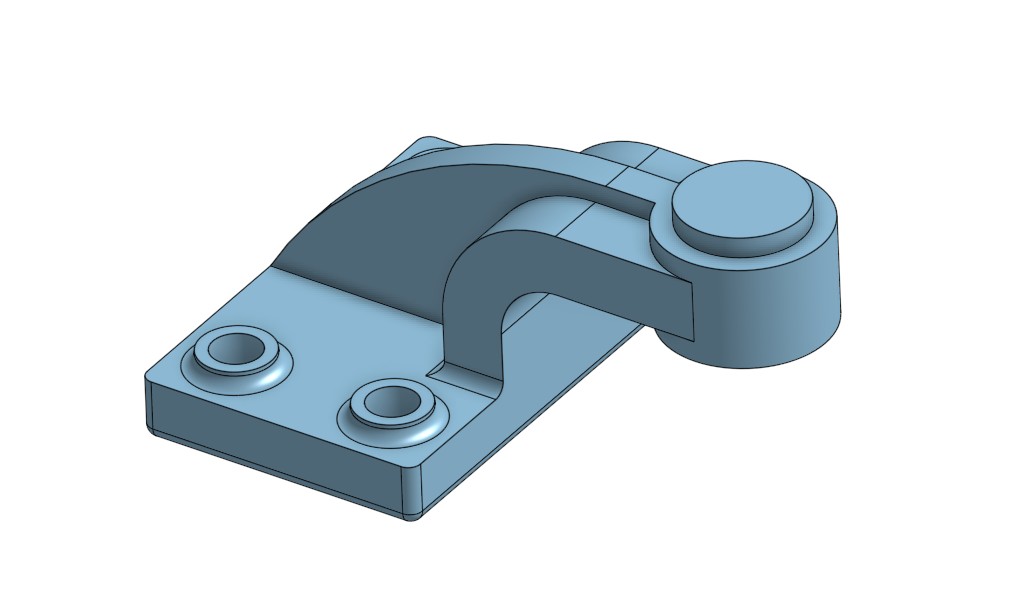
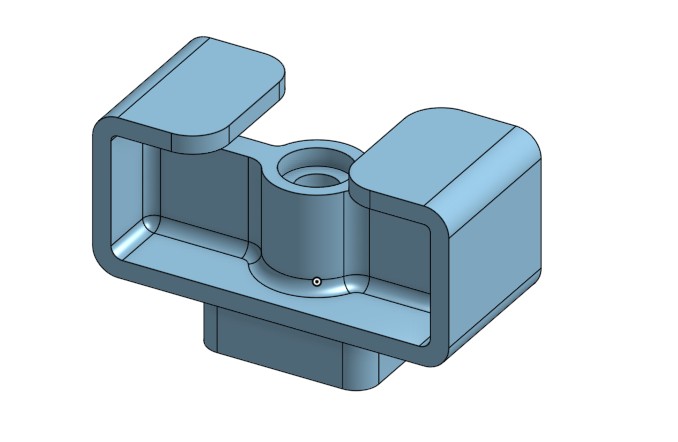
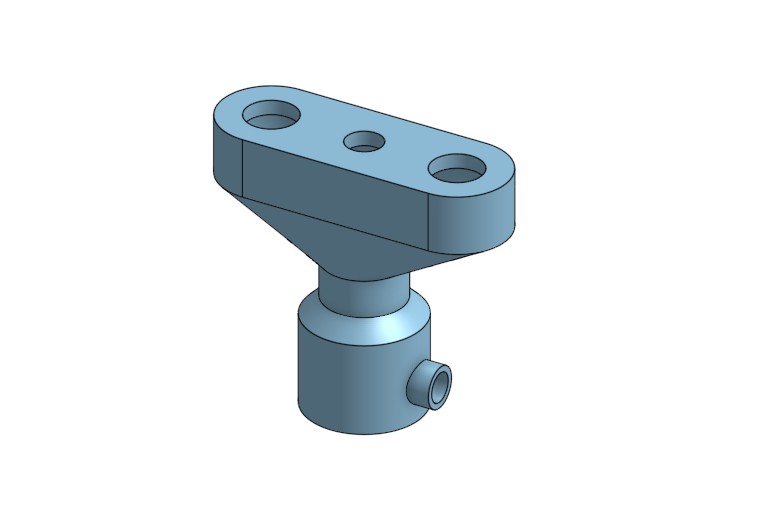
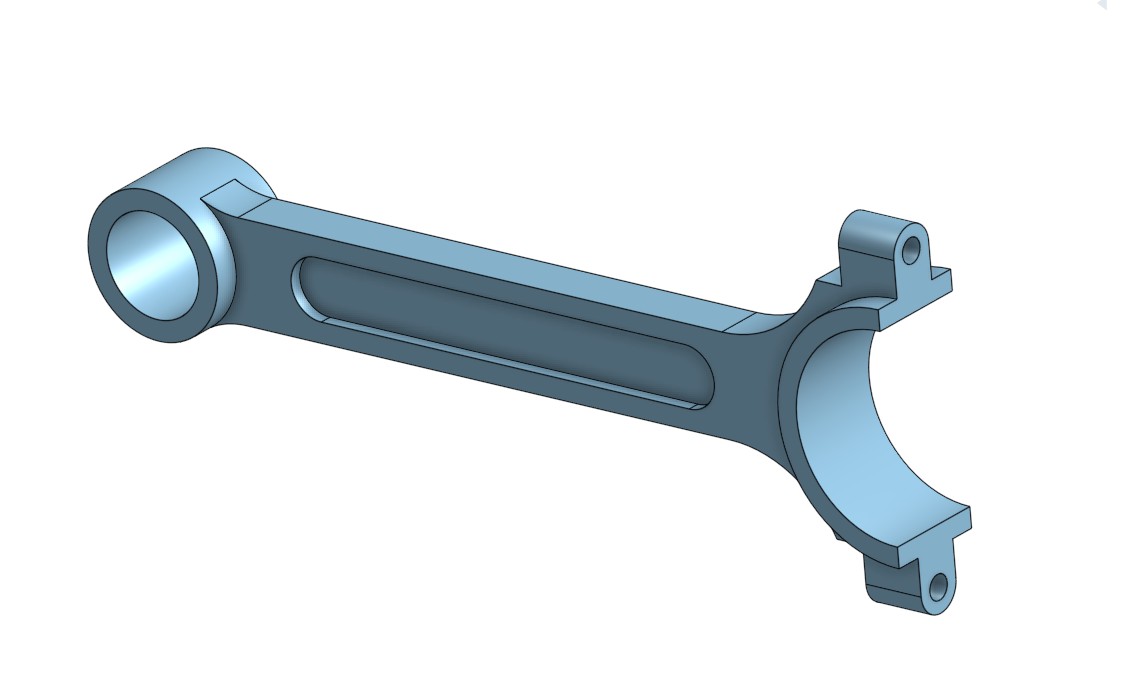
Products designed and built from brief to finished prototype, plus CAD work and printed parts.
What it is, who it's for and the problem it solves. How you designed, prototyped and tested it, and what you'd change next time.
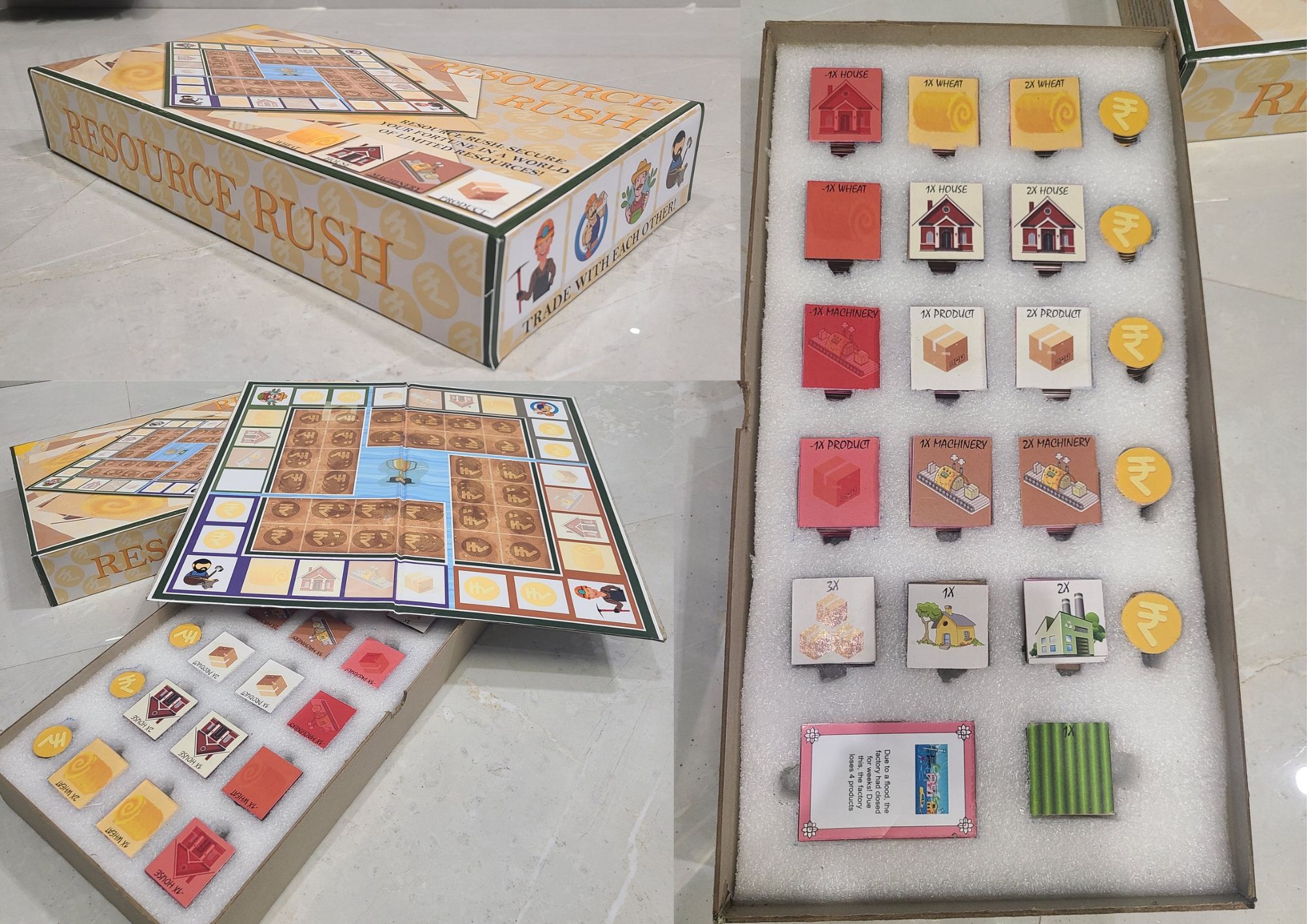
What it is, who it's for and the problem it solves. How you designed, prototyped and tested it, and what you'd change next time.
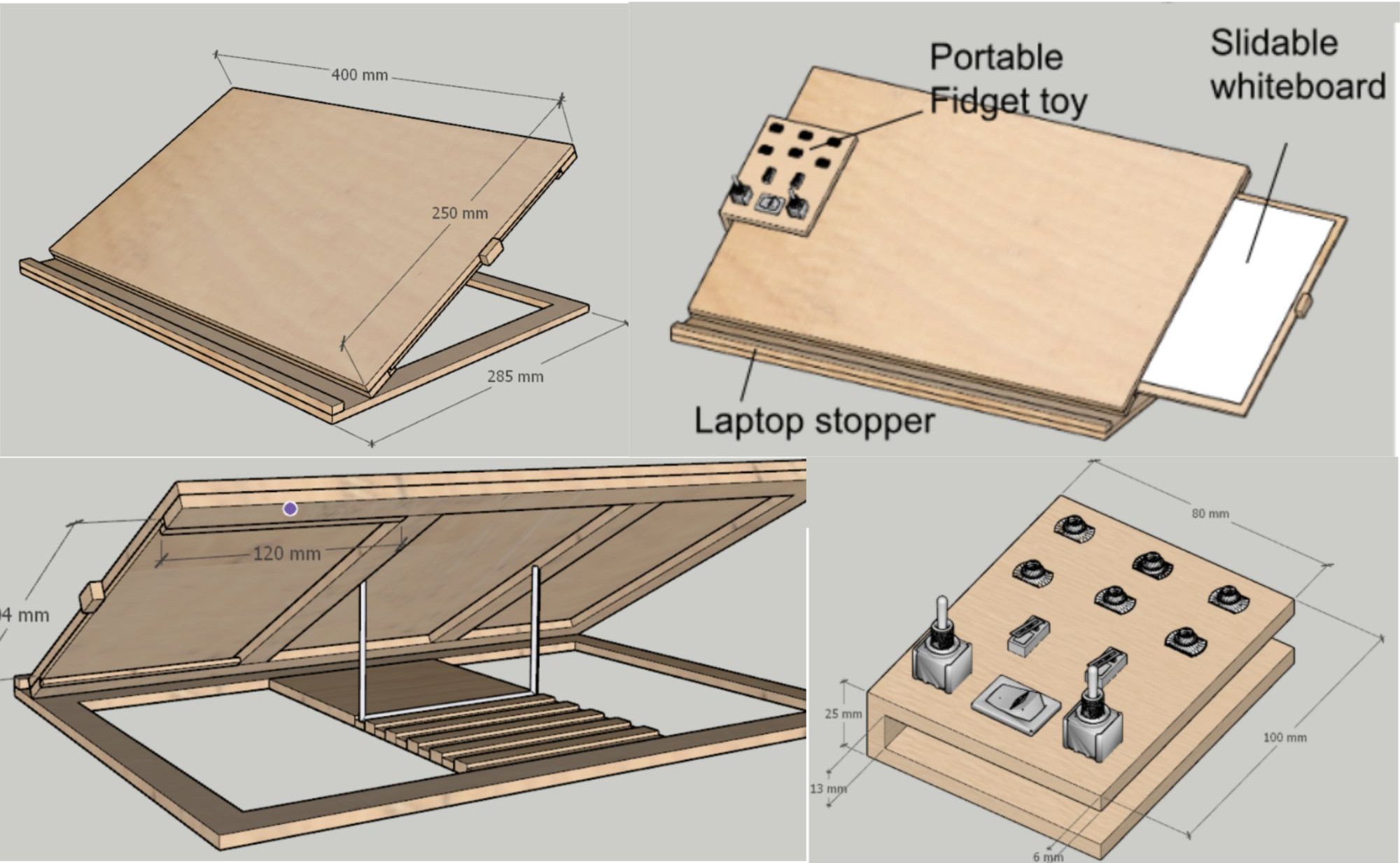
What it is, who it's for and the problem it solves. How you designed, prototyped and tested it, and what you'd change next time.
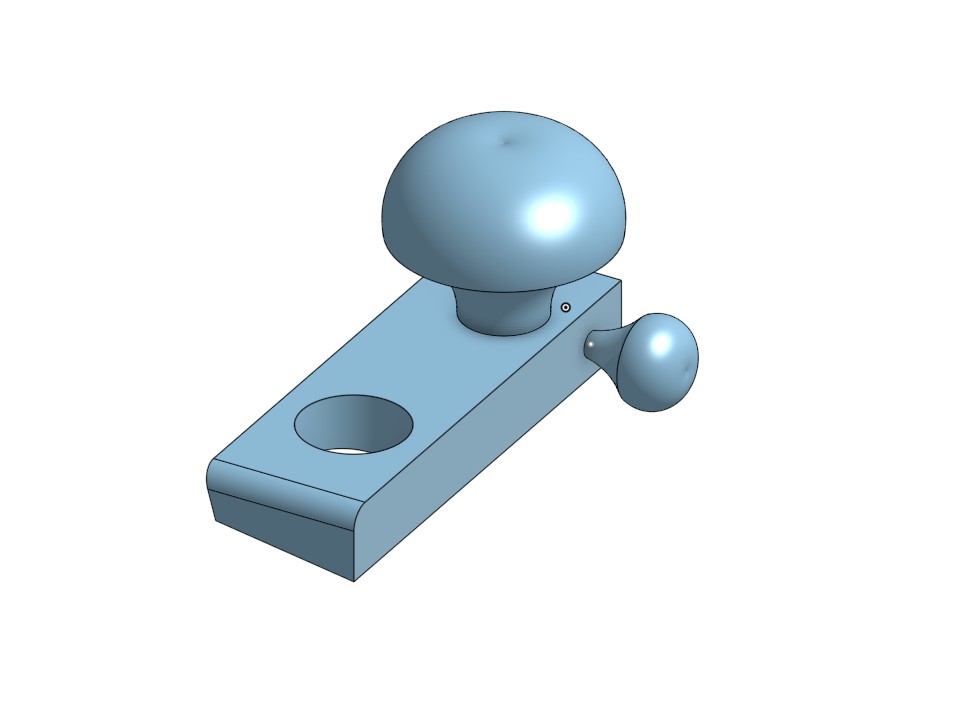
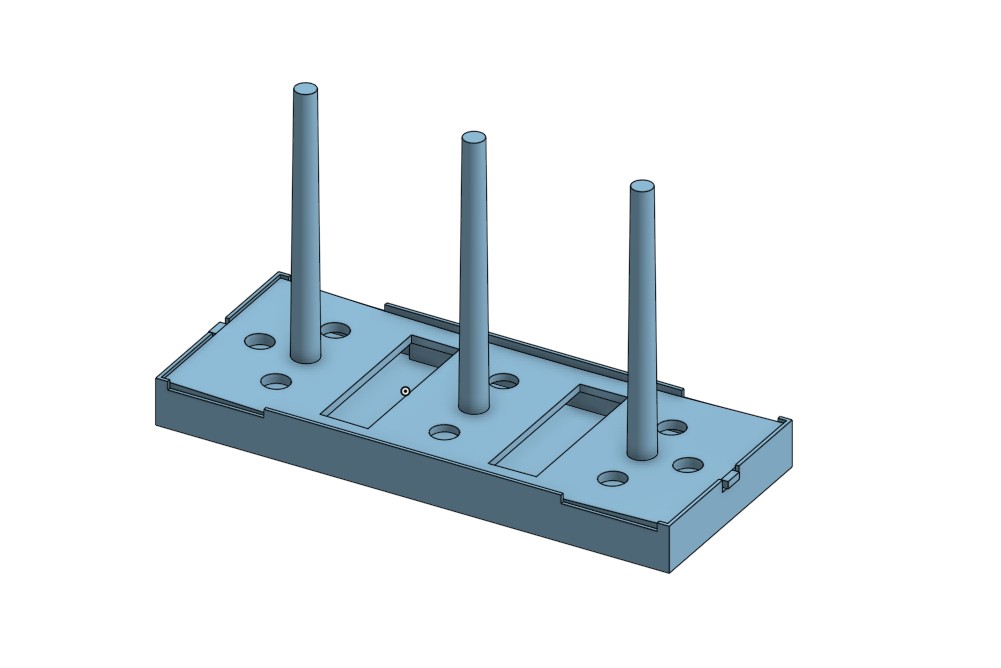


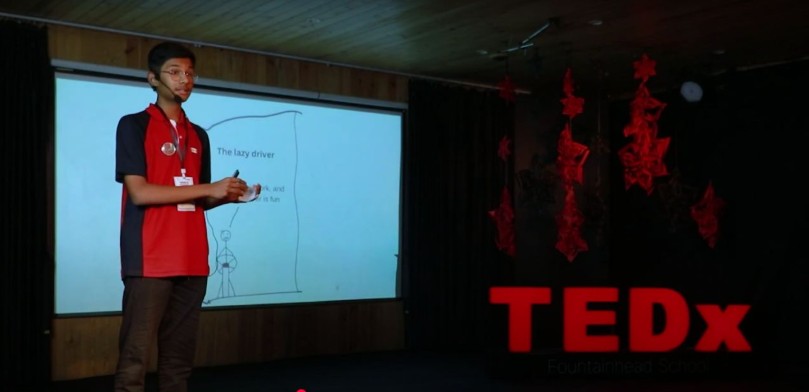
Add the talk title, the event and when you gave it.
Add a two or three line summary of what the talk was about.
Watch the talk →